.webp) hyperjoyst.com
hyperjoyst.comBalancing Strategic Nautical Management, Fleet Dynamics, and Ecological Survival in Into the Wind
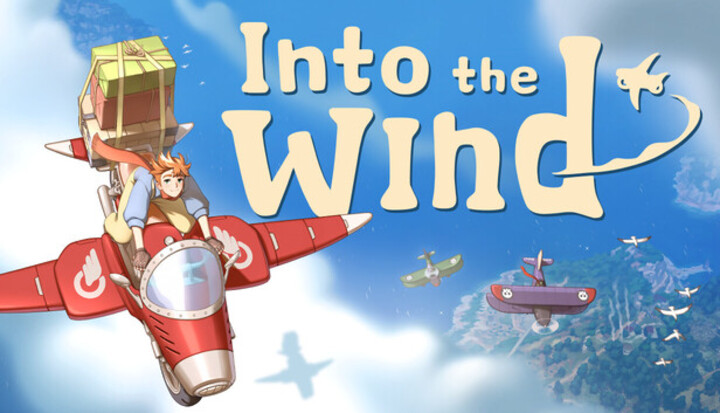
When developers explore the open-world survival and management genre, few settings offer as much raw atmospheric tension as the open ocean. Into the Wind—a tactical, ocean-bound survival game—places players in command of a flagship navigating an unforgiving maritime environment. Rather than focusing purely on fast-paced action or simple resource gathering, the game forces players to act as both captain and logistics director. Every voyage demands careful fuel conservation, route planning, fleet maintenance, and tactical engagement against environmental hazards and hostile vessels. However, as the genre evolves, the core mechanics of Into the Wind reveal a complex balance between procedural freedom and systemic frustration.
This analytical article explores the mechanical strengths and operational friction points of Into the Wind. By examining its progression design, tactical combat mechanics, resource management loops, and fleet customization systems, we can outline how the game shapes player engagement and where future maritime survival titles must innovate to maintain long-term depth.
1. The Operational Foundation: Navigating Wind Dynamics and Ship Physics
The defining characteristic of Into the Wind is its dedication to physical sailing dynamics. Unlike arcade naval games where ships turn instantly on an axis, Into the Wind requires players to respect momentum, draft depth, and true wind vectors. Navigating through narrow island archipelagos or stormy channels forces captains to constantly adjust sail trim, tacking angles, and heading to maintain headway without running aground.
This focus on navigation elevates routine movement into a continuous tactical decision. Choosing to sail directly into a headwind drastically slows speed and burns through essential crew stamina, while taking a longer route along favorable winds risks entering uncharted waters patrolled by aggressive privateer fleets.
Core Nautical Variables
- True Wind Vector: Determines optimal sail angles and limits maximum speed based on ship hull design.
- Hull Displacement and Draft: Affects turning radius, maximum cargo capacity, and susceptibility to shallow reef hazards.
- Crew Fatigue Index: Influences sail adjustment speed, cannon reload times, and damage repair efficiency during combat.
The Geometry of Tacking
Sailing against the wind requires mastering the zig-zag technique known as tacking. In Into the Wind, failing to maintain sufficient forward velocity before pivoting through the eye of the wind will stall the vessel in the "in irons" state, leaving it completely vulnerable to incoming broadsides.
2. The Resource Scarcity Loop: Managing Fuel, Rations, and Crew Morale
At its heart, Into the Wind is a game of strategic logistics. Victory is rarely decided solely in combat; more often, a campaign fails during quiet stretches of open sea when supplies run dry. Captains must constantly manage three primary resources: clean drinking water, food rations, and repair timber. Every extra crew member assigned to gunnery or rigging increases daily consumption rates, creating a delicate balance between combat readiness and logistical sustainability.
When supplies drop below critical thresholds, crew morale plummets. Unhappy crews are slow to execute commands, perform poorly in ship-to-ship boarding actions, and may eventually launch mutinies that dismantle the fleet from within.
Logistical Priority Matrix
- Primary Tier (Water and Rations): Essential for crew survival; depletion triggers immediate health degradation and rapid morale loss.
- Secondary Tier (Timber and Canvas): Required for real-time hull patching and sail repairs following harsh weather or combat encounters.
- Tertiary Tier (Munitions and Gunpowder): Consumed exclusively during offensive engagements and fort bombardment operations.
3. Tactical Ship-to-Ship Engagement: Broadside Mechanics and Spatial Positioning
Combat in Into the Wind prioritizes spatial awareness, patience, and precise timing over rapid button-mashing. Ship engagements are slow, deliberate duels where positioning dictates success. Captains must maneuver their vessels to bring their primary broadside cannons to bear while denying the enemy an opportunity to rake their bow or stern with unhindered fire.
The game divides ship damage into localized components: hull integrity, sail area, and crew complement. Targets can be crippled systematically using specific ammunition types, allowing players to tailor their tactical approach based on whether they intend to sink the target or capture it for fleet integration.
Ammunition Application Matrix
Ammunition TypePrimary Target SystemTactical EffectIdeal Engagement RangeSolid Round ShotLower Hull LinePunches holes below the waterline to cause flooding.Long to Medium RangeChain ShotRigging and SailsShreds canvas to destroy enemy maneuverability.Medium to Close RangeGrapeshotExposed Deck PersonnelDecimates enemy crew count prior to boarding actions.Point-Blank Range
4. Fleet Composition and Escort Management: Scaling Beyond a Single Vessel
As players progress through the campaign, Into the Wind transitions from a single-ship survival simulator into a small-fleet tactical manager. Unlocking the ability to command auxiliary support vessels—such as swift scout schooners, heavily armed frigates, and bulky supply galleons—opens up deeper strategic options while vastly increasing operational complexity.
Managing a multi-ship convoy requires delegating standing orders to AI captains via signaling flags or radio transceivers depending on the setting's tech level. However, AI pathfinding in tight channels often leads to convoy separation, leaving vulnerable cargo ships exposed to sudden enemy ambushes.
Fleet Role Specialization
- The Vanguard (Frigates/Corvettes): High-speed escort ships assigned to screen incoming threats and draw enemy broadsides away from supply units.
- The Flagship (Galleons/Cruisers): The heavy command node housing the player; provides command aura buffs and heavy artillery support.
- The Logistics Train (Store Ships): Unarmed or lightly defensive vessels dedicated entirely to carrying excess fuel, repair kits, and trade goods.
5. The Progression Paradox: Balancing Customization with Unforgiving Permadeath
One of the most contentious mechanics in Into the Wind is its strict approach to progression and permanent loss. Players invest substantial time and resources into upgrading ship hulls, outfitting custom cannon batteries, and leveling up specialized officer staff. However, a single tactical error—such as misjudging a reef during a night storm or underestimating an enemy flagship—can result in the total destruction of the fleet.
While permadeath reinforces high-stakes tension, it can also lead to severe player fatigue. Losing dozens of hours of tailored fleet progression due to unpredictable procedural weather spikes risks alienating players who prefer long-term persistent advancement over roguelike reset loops.
Progression System Trade-Offs
- High Stakes Engagement: Every decision carries real weight, eliminating careless aggression and encouraging cautious, realistic navigation.
- Resource Loss Severity: Losing a fully upgraded flagship resets tech trees back to basic starter hulls, forcing repetitive early-game farming cycles.
- Officer Legacy Mechanics: Partial experience retention through surviving officer lifeboats offers a modest buffer against total progress wipes.
6. Procedural World Generation: Dynamic Encounter Systems vs. Environmental Repetition
To maintain replayability, Into the Wind relies on procedurally generated map seeds, dynamic weather systems, and randomized encounter nodes. Each campaign run generates fresh island networks, trade posts, and uncharted ocean zones filled with derelict wrecks and hostile patrols.
However, procedural generation often struggles to deliver memorable, hand-crafted story arcs. After several playthroughs, the procedural encounters—such as distress signals, merchant trade requests, or pirate blockades—can begin to feel repetitive, revealing the underlying algorithmic formulas and reducing environmental immersion.
7. Officer Skill Trees and Dynamic Crew Interactions
Beyond mechanical ship parts, the human element forms a core pillar of Into the Wind’s management framework. Key ship stations—such as the Navigation Desk, Gunnery Deck, Engine Room, and Medical Bay—require assigned officers with specialized skill profiles. An experienced Navigator reduces drift rates and predicts approaching squalls, while a veteran Chief Surgeon speeds up casualty recovery after harsh engagements.
Dynamic officer traits introduce unexpected drama to the command chain. Officers can develop rivalries, suffer from combat trauma, or gain positive battle quirks based on past operational successes.
Essential Officer Disciplines
- Master Mariner: Unlocks advanced sailing maneuvers, reduces strain on rigging during high-wind turns, and improves fleet speed.
- Gunnery Chief: Enhances cannon accuracy, reduces misfire rates during prolonged barrages, and accelerates reload cycles.
- Quartermaster: Optimizes daily ration distribution, increases trade profits at outposts, and maintains baseline crew morale.
8. Environmental Hazards and Dynamic Weather Systems
The ocean itself often proves far more dangerous than hostile faction fleets in Into the Wind. The game features dynamic weather systems where clear, calm waters can rapidly devolve into catastrophic Category 5 storms, rogue wave phenomena, or thick fog banks that blind radar and visual lookouts.
Surviving severe environmental hazards requires active command interventions. Captains must order sails furled to prevent mast snap, batten down cargo hatches to prevent sea-water damage, and steer directly into massive cresting waves to avoid capsizing.
Atmospheric Hazard Guidelines
- Tropical Cyclones: Extreme wind shifts and massive swells; demands total sail reduction and careful helm control.
- Dense Sea Fog: Reduces visibility to zero; limits combat range and drastically increases collision risks with hidden shoals.
- Sargasso Weed Beds: Slows vessel speed to a crawl; risks fouling propellers or rudders and drains engine efficiency.
9. Audio and Visual Atmosphere: Crafting Nautical Isolation
The emotional core of Into the Wind relies heavily on its audio design and visual presentation. The game pairs stark, atmospheric visual rendering—featuring deep oceanic blues, sweeping cloud formations, and detailed water spray effects—with a sparse, haunting musical score that emphasizes solitude.
Sound cues serve a direct mechanical purpose. Creaking timber hulls warn of structural stress, the whistling of wind through the rigging indicates sudden speed gains, and the distant rumble of thunder gives captains advanced warning of incoming squalls before they register on visual instruments.
Key Audio Cues and Operational Indicators
- Hull Timber Creaking: Signals that structural damage is reaching critical limits under heavy wave impact.
- Rigging Whistle: Indicates high wind pressure; warns that sails may tear if not furled or adjusted promptly.
- Depth Sounder Pings: Alerts the navigator to rapidly shallowing waters, preventing catastrophic keel impacts.
10. The Strategic Future: Redefining Maritime Survival Design
For games in the mold of Into the Wind to capture a broader audience without sacrificing their hardcore identity, future iterations must refine the balance between punishing survival mechanics and meaningful long-term progression. Integrating more flexible campaign modes—such as persistent sandbox options alongside hardcore permadeath modes—allows players to tailor the challenge to their preferred playstyle.
Furthermore, improving AI fleet coordination, expanding narrative questlines, and introducing deeper structural ship customization will ensure that open-sea survival titles remain engaging, rewarding experiences for strategic minds.
Structural Evolution Directives
- Modular Permadeath Toggles: Allow players to customize loss penalties, choosing between full campaign resets or localized resource loss.
- Enhanced Convoy AI: Upgrade fleet pathfinding logic to prevent escort separation in narrow inland waterways.
- Expanded Dynamic Narrative: Integrate procedural story events that react dynamically to officer traits and long-term player choices.
Conclusion
Into the Wind stands as a compelling testament to the tactical depth and atmospheric tension of maritime survival games. By forcing players to master true wind physics, balance strict supply logistics, and manage high-stakes naval engagements, the game transforms every ocean voyage into a meaningful test of strategic planning. While its steep difficulty curve and punishing permadeath mechanics may present friction points for casual players, its core systems offer a rich, rewarding experience for those who embrace the challenge of commanding a fleet through uncharted waters. As the genre continues to evolve, the mechanical foundation laid by titles like Into the Wind will serve as a valuable reference point for the future of interactive open-world survival design.