The Complexity of Moral Choices in Tactics Ogre: Reborn
Introduction
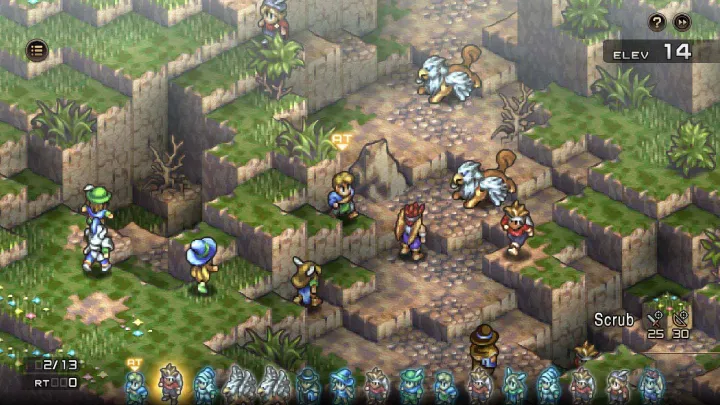
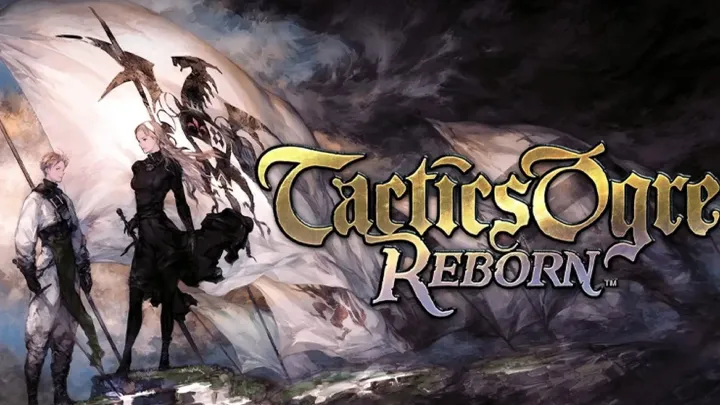
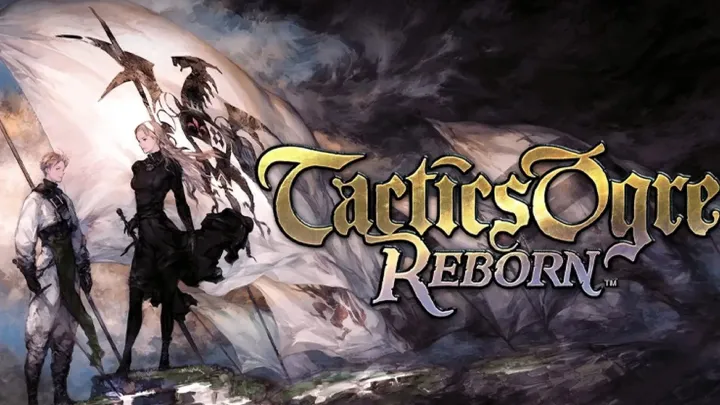
Tactics Ogre: Reborn is a remastered version of the classic tactical role-playing game, originally released in the 1990s. Renowned for its intricate plot and complex characters, the game excels in presenting players with profound moral dilemmas that impact not only gameplay but also the very essence of its narrative. The choices made by the player can lead to drastically different outcomes, shaping the world of Valeria and influencing the lives of its inhabitants. This article explores the theme of moral choices in Tactics Ogre: Reborn, examining how these decisions affect character arcs, the overarching narrative, and the moral fabric of the game's universe. Through an in-depth analysis of specific scenarios and their implications, we can appreciate how the game invites players to reflect on their values, ethics, and the weight of their choices.
The World of Valeria
A Kingdom Divided
The setting of Tactics Ogre: Reborn is the war-torn kingdom of Valeria, a land fraught with conflict, betrayal, and political intrigue. The game introduces players to a world divided by various factions, each with their motivations and beliefs. From the noble Wallister to the oppressive Bakram and the enigmatic Galgastani, the diverse time and space in Valeria set the foundation for a narrative steeped in moral complexity.
Themes of War and Power
War serves as a catalyst for the game's moral dilemmas. Players witness the impact of conflict on civilians, soldiers, and leaders alike. The cyclical nature of violence and the pursuit of power are central to the story, forcing players to confront uncomfortable truths about humanity's capacity for both good and evil. This exploration of power dynamics invites players to question the morality of their choices and alignments throughout the game.
Character Development and Morality
The Protagonist's Journey
The protagonist, Denam Pavel, exemplifies the complex moral landscape of Tactics Ogre: Reborn. As the player navigates Denam's journey, they must confront personal loyalties, societal expectations, and the ramifications of their decisions. Denam's character development illustrates the struggle between idealism and pragmatism, making him a relatable figure in the face of overwhelming adversity.
Supporting Characters and Their Arcs
The supporting cast in Tactics Ogre: Reborn is richly developed, with each character reflecting different moral philosophies. Characters like Catiua, Denam's sister, embody the emotional stakes of conflict, while others, such as Vice, represent the darker aspects of ambition and power. The interactions among these characters amplify the moral dilemmas faced by the player, as their relationships are influenced by the choices made throughout the game.
The Impact of Player Choices
Branching Narratives
One of the most significant features of Tactics Ogre: Reborn is its branching narrative system. Player choices often determine the course of the story, leading to different factions aligning or opposing each other. The decisions players make during critical moments can change the fate of Valeria, emphasizing the weight of moral responsibility in a world characterized by chaos.
Consequences of Actions
Players encounter moments where choices lead to immediate consequences, as well as long-term repercussions. For instance, choosing to spare or execute a captured leader can affect public sentiment, alter alliances, and influence the outcome of the war. These consequences compel players to consider not only the tactical advantages of their actions but also their ethical implications.
The Ethics of War
Just War Theory and Its Application
Tactics Ogre: Reborn raises questions about just war theory—a doctrine that attempts to reconcile the morality of warfare. Players must grapple with the justification of their actions, debating whether their ends truly justify the means. The complexities of war, portrayed through both immersive storytelling and strategic gameplay, compel players to reflect on the nature of righteousness in conflict.
The Human Cost of Decisions
The game emphasizes the human cost of war through its narrative arcs. Civilians are caught in the crossfire, and the consequences of players’ decisions often lead to tragic outcomes. By highlighting the impact of warfare on individuals, Tactics Ogre: Reborn presents a poignant commentary on the ethical responsibilities that come with wielding power over life and death.
Morality in Relationships
Bonds and Betrayals
The relationships forged during gameplay serve as a microcosm of the broader moral themes in Tactics Ogre: Reborn. Characters develop bonds, trust, and enmity based on the players’ decisions, creating a web of interpersonal dynamics that complicate the notion of right and wrong. As alliances shift and betrayals occur, players must navigate the emotional landscape shaped by their choices.
Loyalty and Honor
Loyalty is a recurring theme in the game, often tested by the realities of war. Characters like Denam and Catiua grapple with conflicting loyalties to their family, friends, and nation. These moral quandaries deepen the emotional stakes, pushing players to consider how their choices affect not only the outcome of battles but also the relationships that are critical to their journey.
The Role of Ideology
Faction Conflicts
The various factions in Tactics Ogre: Reborn represent different ideologies that players can align with or oppose. The choice of siding with the Wallisters, Bakrams, or Galgastani brings forth theological and philosophical implications that go beyond mere allegiance. Players must navigate the moral implications of aligning with a faction, questioning whether their principles align with their actions.
Personal vs. Societal Ideals
The game’s exploration of personal versus societal ideals forces players to confront the complexities of collective belief systems. While Denam may strive for justice and equality, broader political dynamics challenge those ideals. Players are left to consider whether their adherence to personal ethics can coexist with the grim realities of the world they inhabit.
The Complexity of Redemption
Paths to Redemption
Redemption is a significant theme in Tactics Ogre: Reborn, especially in the context of characters seeking forgiveness for their past actions. This desire for redemption often intertwines with their relationships and the choices players make throughout the journey. Players must navigate the complexity of atonement, weighing the value of reconciliation against the potential consequences of their actions.
Moral Growth Through Adversity
Characters’ growth often stems from their moral choices in adversity. Denam and his allies face trials that force them to confront their past misdeeds, prompting self-reflection and guidance toward redemption. Through the lens of adversity, players witness how choices shape character development, reinforcing the game’s emphasis on personal responsibility and the possibility of positive change.
The Duality of Good and Evil
Moral Ambiguity
Tactics Ogre: Reborn thrives on moral ambiguity, challenging players to navigate a world where good and evil are not clearly defined. Characters often embody shades of gray, prompting players to explore the multi-faceted nature of morality. This complexity encourages players to consider the context of actions rather than relying on simplistic dichotomies.
The Consequences of Moral Choices
Players are continuously reminded that every choice comes with consequences. The game’s multiple endings reflect the varying degrees of morality within the narrative, further underscoring the idea that right and wrong are often subjective. This complexity enriches the gameplay experience, encouraging thoughtful engagement with the game’s themes.
Conclusion
Tactics Ogre: Reborn stands as a testament to the power of storytelling in video games, particularly in addressing the complexities of moral choices. As players navigate the war-torn land of Valeria, they are met with dilemmas that echo real-world ethical considerations, inviting introspection and self-reflection. Through branching narratives, dynamic character relationships, and an exploration of philosophical ideologies, the game captivates players by immersing them in a moral landscape that extends far beyond the battlefield. In doing so, Tactics Ogre: Reborn not only challenges players to consider their values but also redefines the role of choice in gaming as a catalyst for personal and narrative growth.