.webp)








Introduction
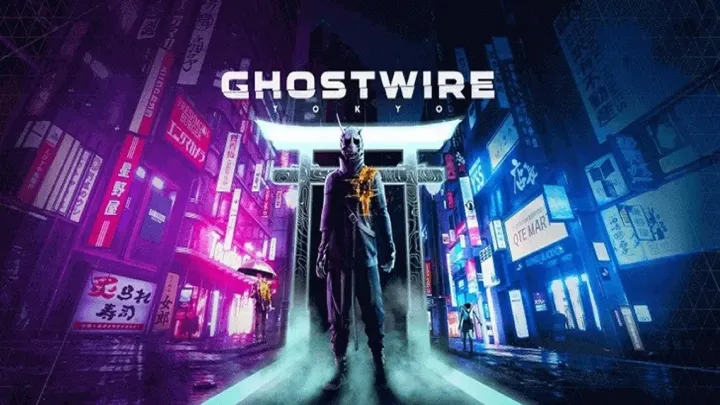
Ghostwire: Tokyo is a unique gaming experience that seamlessly melds Japanese culture with supernatural horror, inviting players into a hauntingly beautiful rendition of Tokyo. Developed by Tango Gameworks, the game centers on a mysterious event where the city's inhabitants vanish, leaving behind only a spectral presence. While the gameplay offers thrilling combat mechanics and stunning visuals, the game’s deeper exploration of traditional Japanese folklore and societal themes prompts a compelling discussion. One particular aspect stands out: the representation and interpretation of yokai, or Japanese spirits, and how they reflect contemporary societal issues and anxieties. This article delves into the rich tapestry of Ghostwire: Tokyo, examining its cultural underpinnings, the depiction of yokai, and the broader implications of fear and spirituality in modern Japan.
The Enigmatic World of Ghostwire: Tokyo
Tokyo as a Character
Tokyo is not merely a backdrop in Ghostwire: Tokyo; it serves as a living, breathing character that shapes the player's experience. The city’s iconic landmarks and districts are recreated with impressive attention to detail, allowing players to explore areas like Shibuya and Shinjuku. However, the game takes a dark twist, presenting a haunting tableau where the vibrant atmosphere is replaced by a sense of foreboding and mystery.
Vanishing Inhabitants
The disappearance of Tokyo’s residents sets the stage for the narrative. As players navigate through the ghostly remnants of the city, they encounter various yokai and supernatural entities. This setting raises questions about loss, identity, and the fragility of life. The game's manipulation of familiar spaces into eerie landscapes serves as a poignant reminder of the profound impact of societal changes—reflecting Japan’s aging population and declining birth rates.
The Folklore of Yokai
Understanding Yokai
Yokai are a fundamental element of Japanese folklore, often embodying natural phenomena, societal fears, and human emotions. Ghostwire: Tokyo introduces players to a range of these spirits, each reflecting different aspects of Japanese culture. From the mischievous and playful to the vengeful and tragic, the portrayal of yokai enriches the narrative and deepens the player's connection to the game’s world.
Traditional Significance
The tradition of yokai highlights the interplay between the mundane and the supernatural in Japanese culture. In the game, players encounter familiar yokai like the Tengu, the Kappa, and the Yurei, each possessing unique abilities and characteristics rooted in ancient lore. This cultural context not only enhances the gameplay experience but also encourages players to reflect on the historical significance of these figures and their implications in contemporary society.
The Modern Interpretation of Fear
Societal Anxieties
Ghostwire: Tokyo expertly weaves societal anxieties into its narrative. The yokai embody modern fears regarding urbanization, alienation, and the fragility of human existence. As players engage with these spirits, they confront deeper issues such as mental health struggles, societal isolation, and the weight of expectations.
Fear of the Unknown
The game evokes a sense of dread as characters grapple with the unknown, mirroring real-life anxieties exacerbated by recent global events. The phenomenon of the “Hollowing Out of Japan” refers to the diminishing population and increasing loneliness many face. The eerie atmosphere and the presence of yokai amplify these fears, creating a tangible connection between the supernatural and the psychological.
Main Character and Identity
The Protagonist’s Journey
The protagonist, Akito, serves as a vessel for exploring personal and cultural identity in the face of disaster. After encountering a mysterious spirit named KK, Akito becomes entwined in a battle against malevolent forces. Throughout the game, his character evolves, revealing hidden traumas and insecurities, reflecting broader themes of resilience and vulnerability.
Resilience Amidst Tragedy
Akito’s interactions with yokai and the spectral world highlight his struggles. Players witness his transformation as he confronts internal and external conflicts. His journey is not just about defeating enemies but also about understanding himself, addressing the fears that haunt him, and reconciling with his past.
The Visual and Auditory Experience
Art Style and Atmosphere
Ghostwire: Tokyo's art style is a captivating blend of realism and surrealism. The game's visual aesthetic employs vibrant colors, fluid animations, and meticulous attention to detail, immersing players in a richly detailed environment. The juxtaposition of joyful street scenes and chilling supernatural encounters creates an atmosphere rife with contrast.
Sound Design and Immersion
The sound design contributes significantly to the overall experience. Traditional Japanese compositions mix with modern soundscapes, enhancing the emotional depth of each scene. The haunting whispers of yokai and the eerie silence of deserted streets provoke an unsettling feeling, reinforcing the game’s themes of loss and fear.
Combat Mechanics and Spiritual Connections
Unique Combat System
The combat mechanics in Ghostwire: Tokyo revolve around the use of elemental powers gained from yokai. Players harness abilities such as water, fire, and wind to engage enemies, transforming supernatural encounters into dynamic battles. This system emphasizes the interplay between spirituality and action, allowing players to engage with the mythos of yokai while navigating challenges.
Spiritual Connections
The combat is not merely a series of fights; it represents Akito's connection to the spiritual realm. Each battle symbolizes his inner struggle and his effort to gain mastery over both external threats and personal demons. This layer of spirituality adds depth to the gameplay, encouraging players to consider the broader implications of their actions in both virtual and real worlds.
Exploring Trauma and Healing
Representing Grief and Loss
The theme of grief is pervasive in Ghostwire: Tokyo. Characters confront their past traumas and unresolved emotions as they navigate the spirit world. This exploration provides players with a profound understanding of how trauma shapes identity and existence, offering a raw portrayal of emotional struggles faced in life.
Path to Healing
As Akito embarks on his journey, he encounters various spirits who mirror his internal conflicts. The game illustrates that healing often emerges from confrontation, understanding, and acceptance. As players progress, they not only advance the narrative but also engage in a metaphorical process of healing alongside Akito.
Community and Connection
The Role of Community in Recovery
Ghostwire: Tokyo emphasizes the importance of community in overcoming adversity. As players engage with the lingering spirits, they discover the interconnectedness of lives lost and the collective trauma affecting the city. This communal aspect highlights the shared experiences of loss and grief.
Rebuilding Connections
The game encourages players to foster connections with both characters and the environment. Through compassion and understanding, players can influence the fates of spirits, emphasizing the importance of empathy in confronting societal challenges. This community-driven narrative aligns with contemporary themes surrounding mental health and the need for connection in an increasingly isolated world.
Conclusion
Ghostwire: Tokyo represents a compelling fusion of cultural heritage and contemporary anxieties, offering players a unique lens through which to explore the complexities of the human experience. The game's thoughtful portrayal of yokai as both antagonists and reflections of societal fears invites players to confront their own understanding of identity, loss, and resilience. As Akito weaves through the spectral world and engages with extraordinary characters, he embodies the ongoing journey of healing and self-discovery. By integrating traditional folklore into a modern narrative, Ghostwire: Tokyo stands as a poignant reminder of the significance of cultural identity and the universal quest for connection amid an often-frightening world.