

Popular Now
Open-world games have evolved far beyond simply offering large maps. The best titles in the genre now deliver powerful narratives that reward emotional investment, player choice, and deep immersion. Storytelling has become one of the most valued aspects of modern gaming because players no longer want to just complete objectives—they want to experience meaningful journeys filled with memorable characters, moral dilemmas, and impactful decisions.
This article explores the top 5 games known for delivering the best storytelling experience, analyzing what makes their narratives so compelling. From character development to branching choices, each game offers a unique approach to storytelling that stands above the rest. Whether you enjoy emotional drama, moral conflict, or cinematic narratives, these titles represent the pinnacle of storytelling in open-world design.
Why Storytelling Matters in Modern Gaming
Storytelling is one of the most immersive elements a game can offer because it transforms players from passive observers into active participants in a narrative.
Instead of simply following quests, players shape the story through their decisions, creating a more personal and engaging experience.
Games that prioritize storytelling often feel more memorable because every player’s journey can differ. One decision can lead to a completely different outcome, making each playthrough unique.
Core Elements of Great Storytelling
To make storytelling impactful, games usually need:
Deep and relatable characters
Meaningful player choices
Strong world-building and lore
Emotional stakes
Consequences that affect the narrative
Without these elements, storytelling can feel shallow or disconnected.
What Makes an Open World Story Truly Great
A compelling story alone is not enough. In open-world games, storytelling must adapt to player freedom.
Many games struggle with this balance, offering great stories but poor integration with gameplay. A truly great narrative feels naturally embedded in the world.
Developers must balance freedom with structure. Too much freedom can weaken the story, while too much structure can limit player agency. The best games achieve both.
Immersion Through Narrative Design
Narrative design is crucial. A simple conversation, a hidden letter, or a small side quest can reveal powerful story elements.
Great storytelling in open-world games often comes from what players discover, not just what they are told.
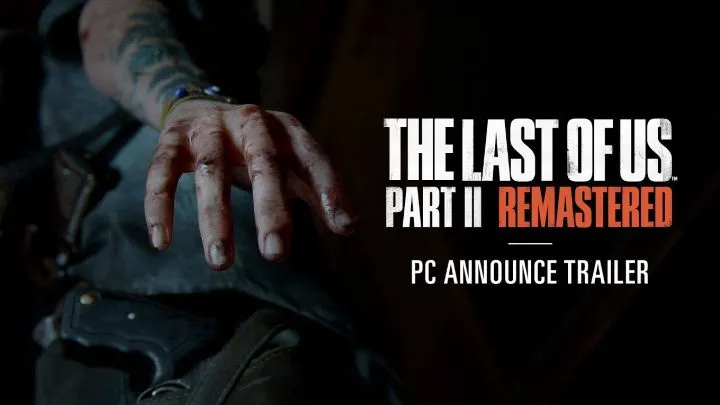
1. The Last of Us Part II (Open-World Hybrid)
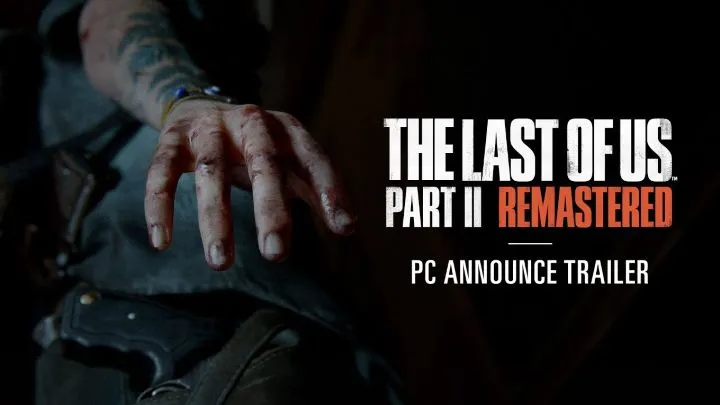
The Last of Us Part II is widely considered one of the most powerful storytelling experiences in gaming.
It pushes boundaries with its bold narrative structure.
Revolutionary Storytelling Design
What sets it apart:
Dual perspectives
Moral ambiguity
Emotional intensity
Unpredictable storytelling
The game challenges players’ expectations and emotions.
2. Red Dead Redemption 2
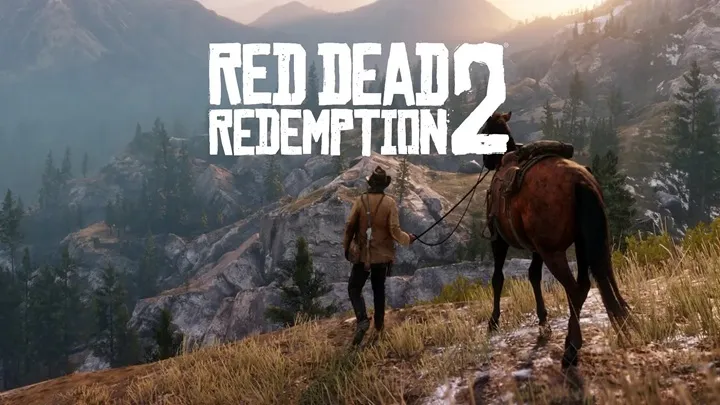
Red Dead Redemption 2 is a masterclass in slow, immersive storytelling.
Its world feels alive, and every interaction contributes to the narrative.
Environmental Storytelling Excellence
The game features:
Realistic character arcs
Dynamic world interactions
Subtle storytelling through environment
Deep emotional moments
This creates one of the most immersive narratives in gaming.
3. Ghost of Tsushima
Ghost of Tsushima blends cinematic storytelling with a rich historical setting inspired by feudal Japan.
Its narrative focuses on personal sacrifice and honor.
Emotional Storytelling
The game delivers:
Strong character development
Themes of identity and duty
Emotional side stories
A cohesive narrative tone
Every element supports the main story.
4. The Witcher 3: Wild Hunt
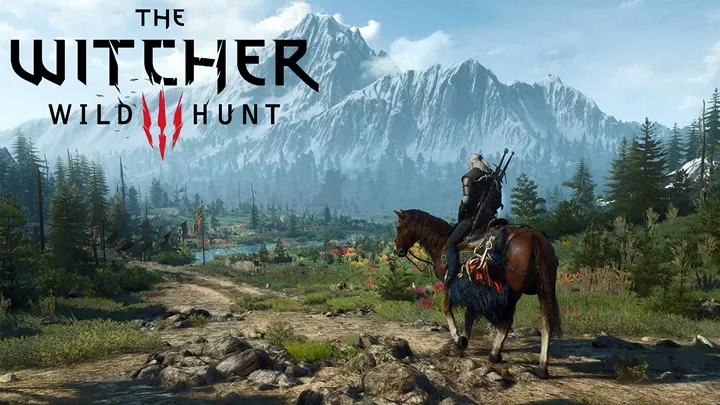
The Witcher 3 is widely regarded as one of the best storytelling RPGs ever created.
Its world is filled with morally complex choices and layered narratives.
Narrative Depth
Players constantly face:
Difficult moral decisions
Consequences that appear later
Side quests with strong emotional impact
Stories with no clear right or wrong
This complexity makes every decision feel meaningful.
5. Cyberpunk 2077
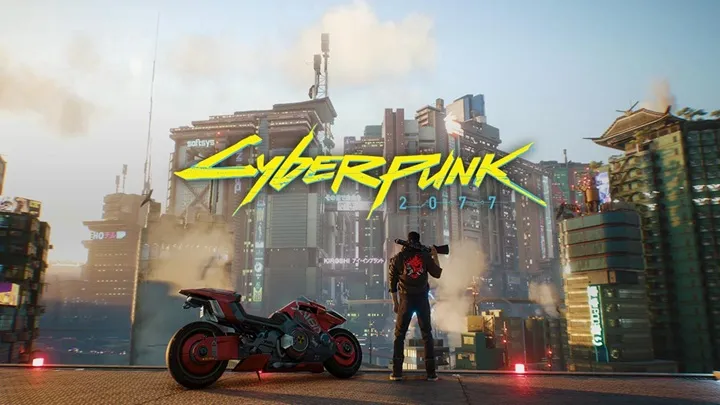
Cyberpunk 2077 offers a deeply personal narrative set in a futuristic dystopian world where choices shape the outcome of the story.
Its storytelling focuses heavily on character relationships and player-driven decisions.
Why Storytelling Works Here
The game allows players to:
Build unique character identities
Form deep connections with NPCs
Experience multiple endings
Engage in meaningful side stories
These elements make the narrative feel personal and reactive.
How Storytelling Enhances Replayability
Games with strong storytelling naturally have higher replay value. Players often return to explore different choices and outcomes.
A well-designed narrative can feel fresh even after multiple playthroughs because different decisions lead to different experiences.
Reasons Players Replay Story-Driven Games
Different story endings
Missed side quests
Alternative choices
New character interactions
Replayability adds long-term value to these games.
The Psychology Behind Storytelling in Games
Storytelling taps into human emotions and empathy. Players become invested because they feel connected to the characters and outcomes.
This emotional engagement is what makes story-driven games so impactful.
Emotional Engagement and Player Choice
Storytelling motivates players through:
Character attachment
Moral decisions
Narrative curiosity
Emotional payoff
Players are driven to see how their choices affect the world.
Future of Storytelling in Gaming
As technology evolves, storytelling in games will become even more advanced.
Future games may feature dynamic narratives that change based on player behavior in real time.
Upcoming Trends
Potential innovations include:
AI-driven storytelling
More reactive NPC systems
Dynamic narrative branching
Personalized story experiences
These advancements may redefine storytelling in games.
Choosing the Right Story-Driven Game for You
Not every storytelling style fits every player. Some prefer emotional narratives, while others enjoy choice-driven systems.
Choosing the right game depends on your preferences.
Best Pick by Player Type
For emotional storytelling: The Last of Us Part II
For realistic narrative: Red Dead Redemption 2
For moral choices: The Witcher 3
For cinematic experience: Ghost of Tsushima
For futuristic story: Cyberpunk 2077
Each game delivers a unique storytelling style.
Conclusion
Storytelling has become one of the defining features of modern gaming, and the best open-world titles understand that narrative is more than just dialogue—it’s about immersion, choice, and emotional impact.
The games listed above excel in creating stories that players don’t just watch, but truly experience.
If you are looking for the ultimate storytelling experience, The Last of Us Part II stands as a benchmark, while titles like Red Dead Redemption 2 and The Witcher 3 offer equally compelling alternatives.
Summary
Here’s a quick recap of the Top 5 Games for Best Storytelling Experience:
The Last of Us Part II – Best emotional narrative
Red Dead Redemption 2 – Best immersive storytelling
Ghost of Tsushima – Best cinematic story
The Witcher 3 – Best choice-driven narrative
Cyberpunk 2077 – Best futuristic storytelling
These games prove that storytelling can transform gaming into a deeply emotional and unforgettable experience.